A Beginner's Guide to Buying Second-Hand Furniture Safely
October 09, 2026 - DIY

October 09, 2026 - DIY

October 05, 2026 - Interiors

October 01, 2026 - Inspiration
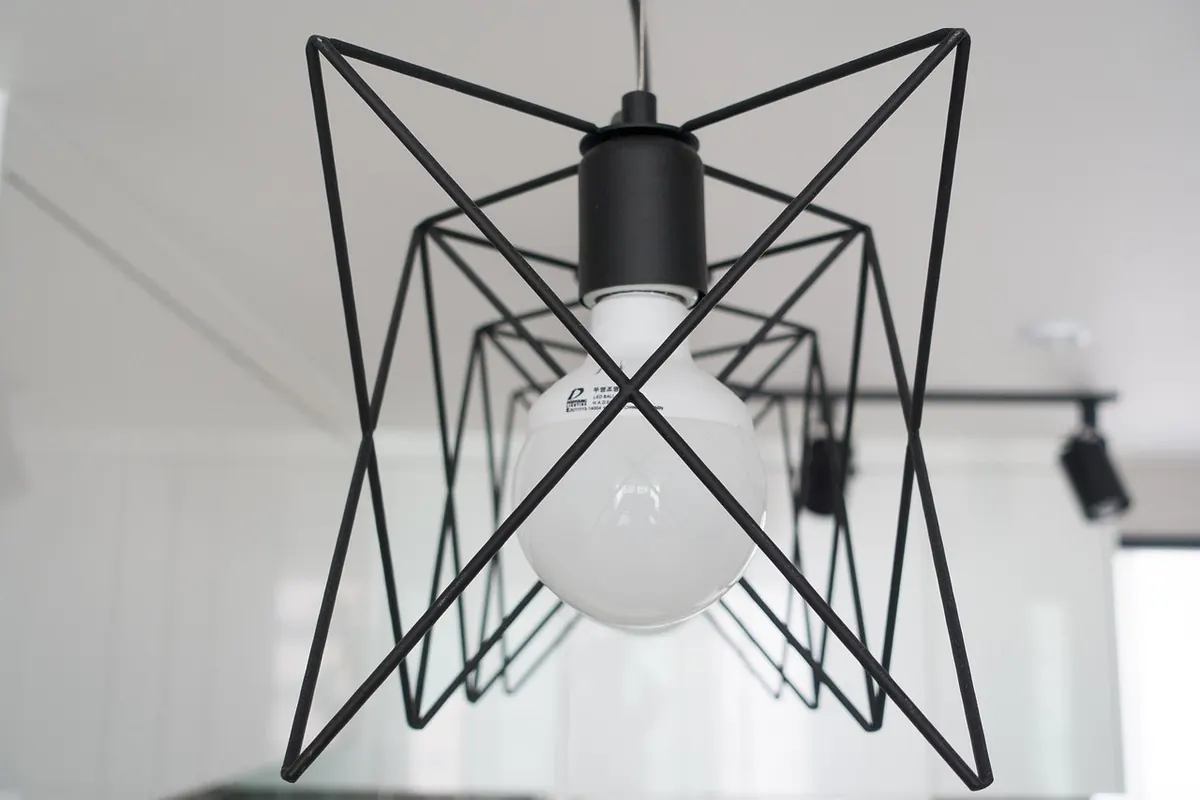
Two bulbs, same bayonet fitting, same brightness on the box, and completely different rooms. Swap a warm white lamp for a cool white one in a bedroom and it stops feeling like somewhere you rest. Do the reverse over a kitchen worktop and suddenly you cannot tell whether the spinach is fresh or the chicken is cooked through.
Colour temperature is one of the few lighting decisions you can make in an afternoon that visibly changes how a home feels. Here is how to choose it room by room.
Colour temperature is measured in kelvin (K) and printed in small type on every bulb box. The number works backwards from intuition: the higher it goes, the cooler and whiter the light. A 2700K bulb glows a soft amber, close to the old incandescent lamps most of us grew up with. A 6000K bulb looks like an overcast sky at noon.
These are the ratings you will actually see on a shelf:
Names are unreliable. One brand's "warm white" is another's "soft white", so trust the kelvin figure over the label. Brightness is a separate matter entirely — that is lumens. Two bulbs can both be 800 lumens and look nothing like each other.
One more number worth glancing at is CRI, or Ra, which describes how faithfully a bulb renders colour. Anything at 80 or above is fine for general use; look for 90 or above where colour really matters, such as a kitchen worktop, a bathroom mirror or a wall of art.
Kitchens do two jobs, so give them two temperatures. Around 4000K over the worktop, sink and hob makes it far easier to judge whether meat is cooked, whether herbs have seen better days, and whether the chopping board is properly clean. Under-cabinet strips and ceiling spots in this range feel purposeful rather than clinical.
Then drop to 2700K or 3000K for the parts of the room where you sit. Pendants over a breakfast bar or dining table look better warm, and food photographed or eaten under warm light tends to look more appetising.
The trap in open-plan kitchens is mixing temperatures across a single ceiling. Six spotlights at 3000K and two at 4000K in the same run will look like a mistake, not a design choice. Keep the ceiling consistent and introduce warmth through a different fitting — a pendant, a wall light, a lamp on the dresser.
Go 2700K, and go dimmable. Cooler, brighter light in the evening tends to keep you alert when you would rather be winding down, which is the last thing you want an hour before bed. A single 4000K ceiling light in a small bedroom can feel like getting ready in a car park.
Bedside lamps are where warmth earns its place. Choose 2700K at a modest output — around 400 lumens is plenty for reading — and put them on a dimmer or a three-step switch. If you have a ceiling fitting, keep it at 2700K to 3000K and use it for getting dressed rather than for atmosphere.
If sleep is a persistent problem, though, lighting is only one small part of the picture and it is worth talking to your GP rather than rearranging your lamps.
3000K sits nicely in the middle here. You need to find keys, read post and see the edge of a step, which calls for clarity rather than cosiness, but a full cool white wash at six in the morning is unforgiving.
Halls with no natural light often benefit from 4000K, especially on a staircase where shadows matter. Add a sensor or a two-step dimmer so the light comes on low at night. A bright cool ceiling light at 3am, when someone is half asleep and heading for the bathroom, is genuinely unpleasant — and it makes getting back to sleep harder.
This is where cool white earns its keep. A 4000K desk lamp helps with fine work: accounts, sewing, model-making, long documents, anything where contrast matters. It tends to feel more alerting than warm light, which is exactly the point during a working day.
Two cautions. First, avoid 6000K or above in a room you sit in for hours; it is tiring and reads as clinical rather than focused. Second, keep light off the screen. Position a desk lamp so it lights the wall or the desk surface, not the monitor, or you will spend the afternoon looking at your own reflection.
An adjustable lamp is the practical answer: 4000K for the working day, switched to 2700K for reading in the evening.
Bathrooms want light in front of the face, not above it. A downlight over a mirror casts shadows under the eyes and makes shaving or applying makeup harder than it needs to be. Use two wall lights either side of the mirror at 4000K for a clean, even wash, then keep the rest of the room warmer at 2700K to 3000K.
Living rooms and dining rooms are the easiest call: 2700K almost everywhere, layered across a ceiling fitting, a floor lamp and a table lamp so you can choose how bright the room is rather than just whether it is on. Warm light flatters skin tones and wood, and it makes a dining table look like somewhere you want to linger.
Buy one bulb, fit it, and live with it for an evening before you commit to a whole room. Kelvin is easy to picture on a chart and surprisingly hard to imagine in your own kitchen.
Get this right and nobody will notice the lighting. They will just find the kitchen easier to cook in and the bedroom easier to leave in the morning.
Photo: photogrammer7 / Pixabay
A practical guide to buying second-hand furniture: how to measure, inspect and question before you commit, plus...

North-facing rooms needn't feel cold or dingy. Here's how warm colour, layered lighting, mirrors and texture can...
October 09, 2026 - DIY
October 05, 2026 - Interiors
Copyright © 2026 Amber Nest. All Right Reserved.